ServicesExtractions
Gentle Tooth Extractions for Kids in Stoughton
When a baby tooth or permanent tooth can't be saved, we take it out slowly and carefully, with your child numb and comfortable. We explain why the tooth needs to come out, how we protect the teeth around it and what to watch for in the days after.
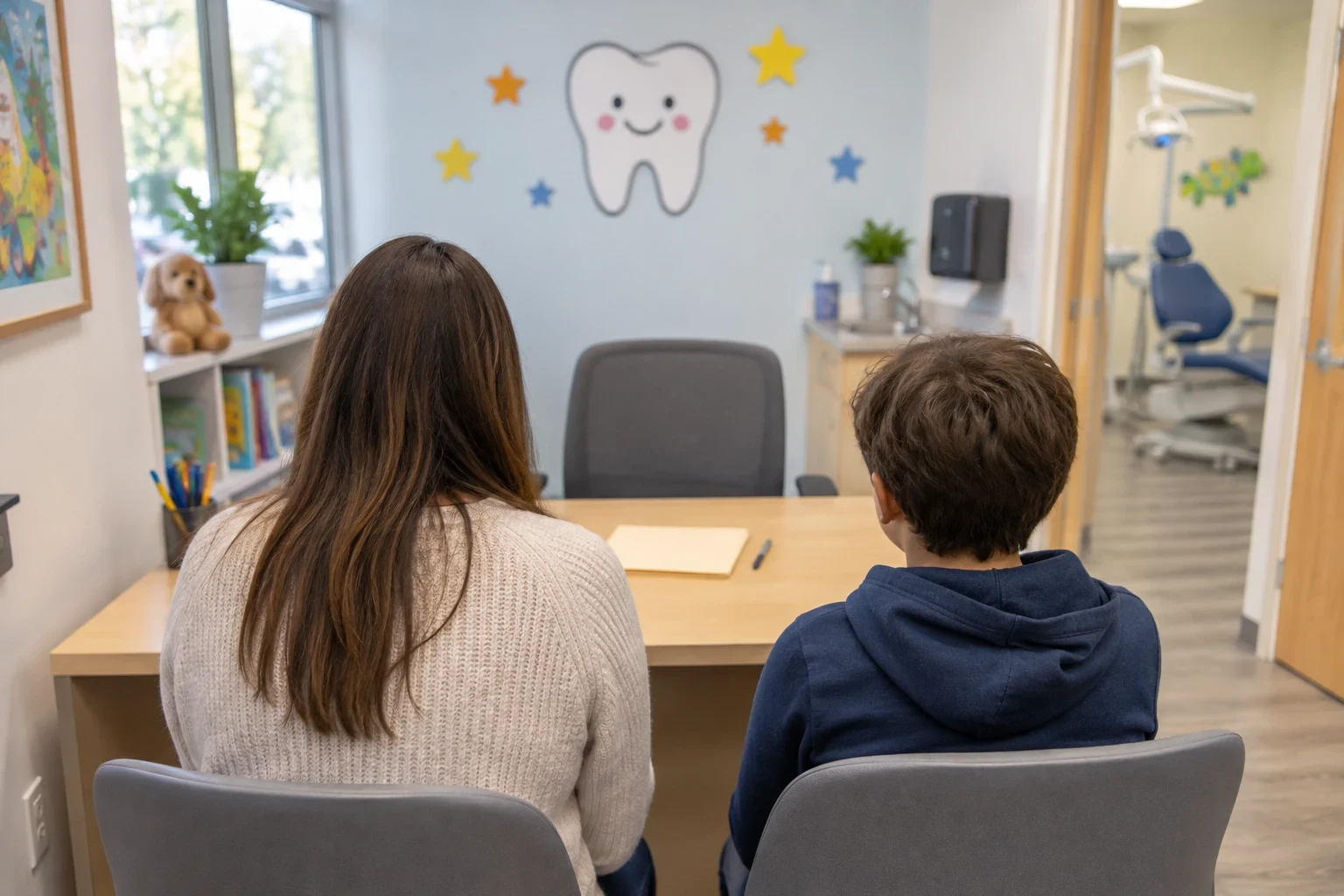
When taking a tooth out is the right call
We try to save teeth first. A filling, a pediatric crown or a baby root canal can often keep a tooth in place until it's ready to fall out on its own. Sometimes that isn't possible. The decay is too deep, the tooth is cracked below the gum, or a stubborn baby tooth is blocking the adult tooth underneath.
When that happens, how the tooth comes out matters. We loosen it gradually instead of pulling hard, which protects the thin bone around it and the permanent tooth developing below. Small choices like that help the area heal cleanly and keep your child's bite on track.
Families from Stoughton, Canton, Sharon and nearby towns bring their kids to us for extractions, and every parent gets a straight answer about whether removal is truly needed.
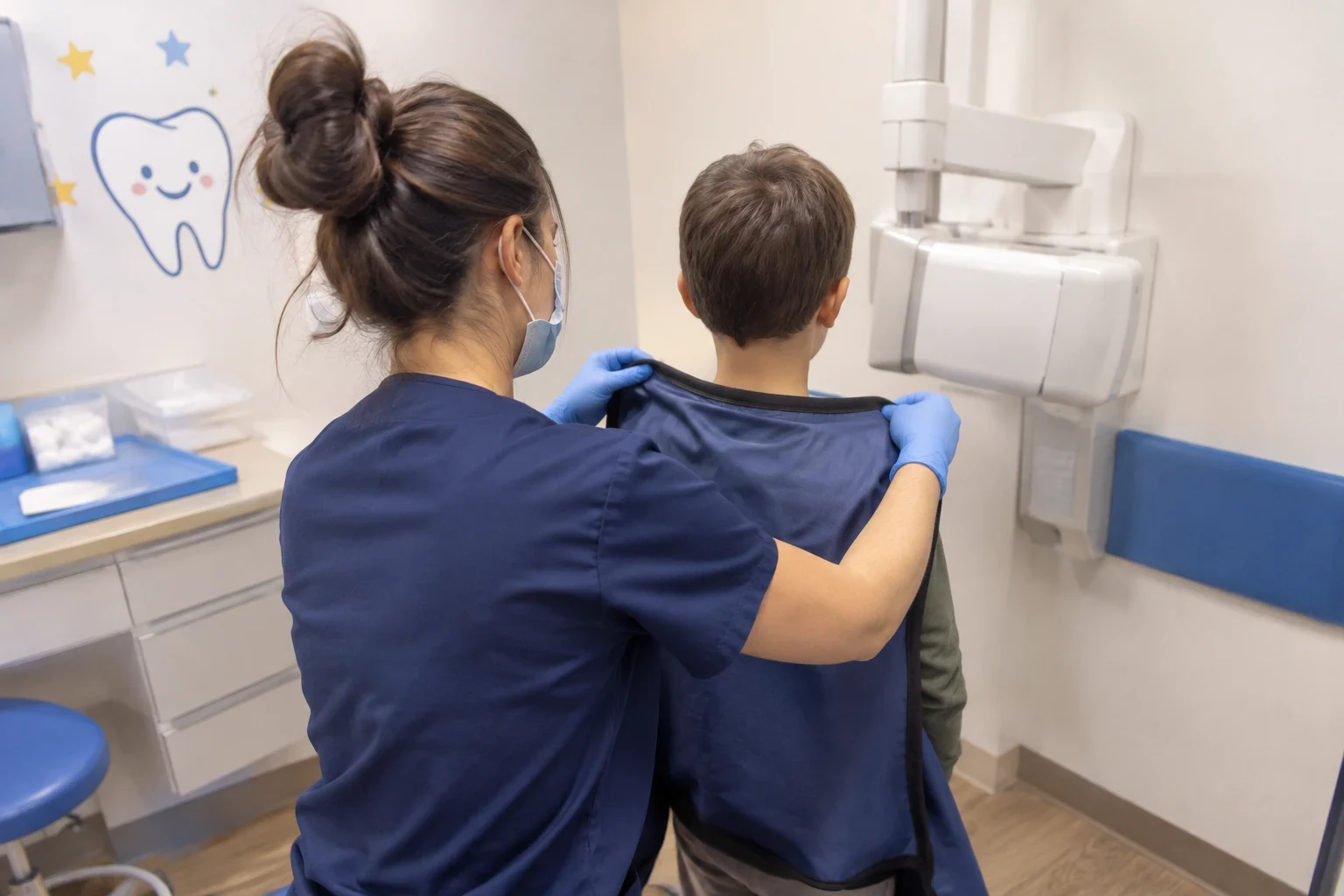
What your child's extraction includes
- 01
An X-ray before anything else
We look at the roots and the adult tooth underneath before deciding anything. Baby molar roots can wrap around the permanent tooth, and seeing that ahead of time changes how we remove it.
- 02
Numbing done in steps
We start with a flavored numbing gel, then give the local anesthetic slowly so it barely registers. We check that the area is fully numb before we begin, and we use simple, kid-friendly words for what your child will feel.
- 03
A gentle removal technique
Instead of a quick pull, we rock the tooth little by little to widen the socket. It takes a bit longer and leaves less soreness and a cleaner socket behind.
- 04
A plan for the gap
If a baby molar comes out years before the adult tooth is due, the neighboring teeth can drift into the space. We'll tell you whether your child needs a space maintainer and talk through timing at the same visit.
- 05
Written aftercare
You leave with clear instructions on gauze, soft foods, rinsing and pain relief, so nobody has to guess that evening.
Questions about Extractions?
Call(781) 590-3367Signs your child may need a tooth removed
Two rows of teeth
Lower front adult teeth often come in behind baby teeth that haven't fallen out. If the baby tooth is still firm after a few weeks, it may need help.
A bump on the gum
A pimple-like bump near a tooth usually means infection. Sometimes a baby root canal can save the tooth, and sometimes it needs to come out.
Deep decay that hurts
Pain when chewing, swelling, or a tooth broken down to the gumline can mean it's past the point a filling can fix.
A tooth hurt in a fall
A baby tooth cracked below the gum or badly loose after an accident may be safer to remove than to keep.
Crowding before braces
An orthodontist may ask for certain teeth to be removed to make room. We coordinate so the timing fits the treatment plan.
How extraction day goes
- 1
Talk it through
We review the X-ray with you, answer your questions and explain the plan to your child in calm, simple terms. If your child is very anxious, we can go over sedation dentistry options ahead of time.
- 2
Numb and check
Gel first, then the local anesthetic. We wait and test the area so your child feels pressure, not pain.
- 3
Remove the tooth gently
Most baby teeth come out in a few minutes. We check the socket to make sure no root pieces remain, then place gauze for your child to bite on.
- 4
Go over aftercare
Before you leave, we walk you through the rest of the day and the first night at home. Your child can take the tooth along for the tooth fairy if they'd like.
What affects the cost of an extraction
Each extraction is priced on what we find, and we go over the cost with you before we start. Many dental plans cover extractions at least in part. We accept MasterCard, Visa, Discover, most insurance plans and CareCredit Patient Payment Plan.
- Baby tooth or permanent tooth
- Baby teeth with short, partly dissolved roots usually come out more simply than permanent teeth with full-length roots.
- Root shape and position
- Curved roots, roots wrapped around an adult tooth, or a tooth broken off at the gumline take more time and care.
- Number of teeth
- Removing two or more teeth at one visit changes the fee, though it can also spare your child a second appointment.
- Sedation
- If your child needs sedation to stay comfortable, that is a separate part of the cost.
- Space maintainer
- When a gap needs holding, the appliance is its own line item. We'll tell you up front if we recommend one.
Questions parents ask about extractions
Will the extraction hurt my child?
Your child should feel pressure and some pushing, but not sharp pain. We numb in steps and test the area before starting. Some soreness afterward is normal and usually eases within a day or two with a children's pain reliever used as directed.
What can my child eat afterward?
Soft, cool foods for the rest of the day, like yogurt, applesauce, pudding or mashed potatoes. Skip straws and very hot foods until the next day, since suction and heat can disturb the clot that protects the socket. Most kids are back to normal meals by the following morning.
Can't we just wait for the baby tooth to fall out?
Sometimes, yes, and we'll tell you when that's the case. If the tooth is infected, painful or blocking an adult tooth, waiting can lead to swelling or crooked permanent teeth. The X-ray usually makes the choice clear.
Does every pulled baby tooth need a space maintainer?
No. Front baby teeth rarely need one. Back molars lost several years early often do, because the teeth beside them tend to tip into the gap. We base the answer on your child's age and X-ray.
When can my child go back to school or sports?
Most kids return to school the next day, and some feel fine by the same afternoon. We suggest skipping rough play and contact sports for a day so the socket can start healing.
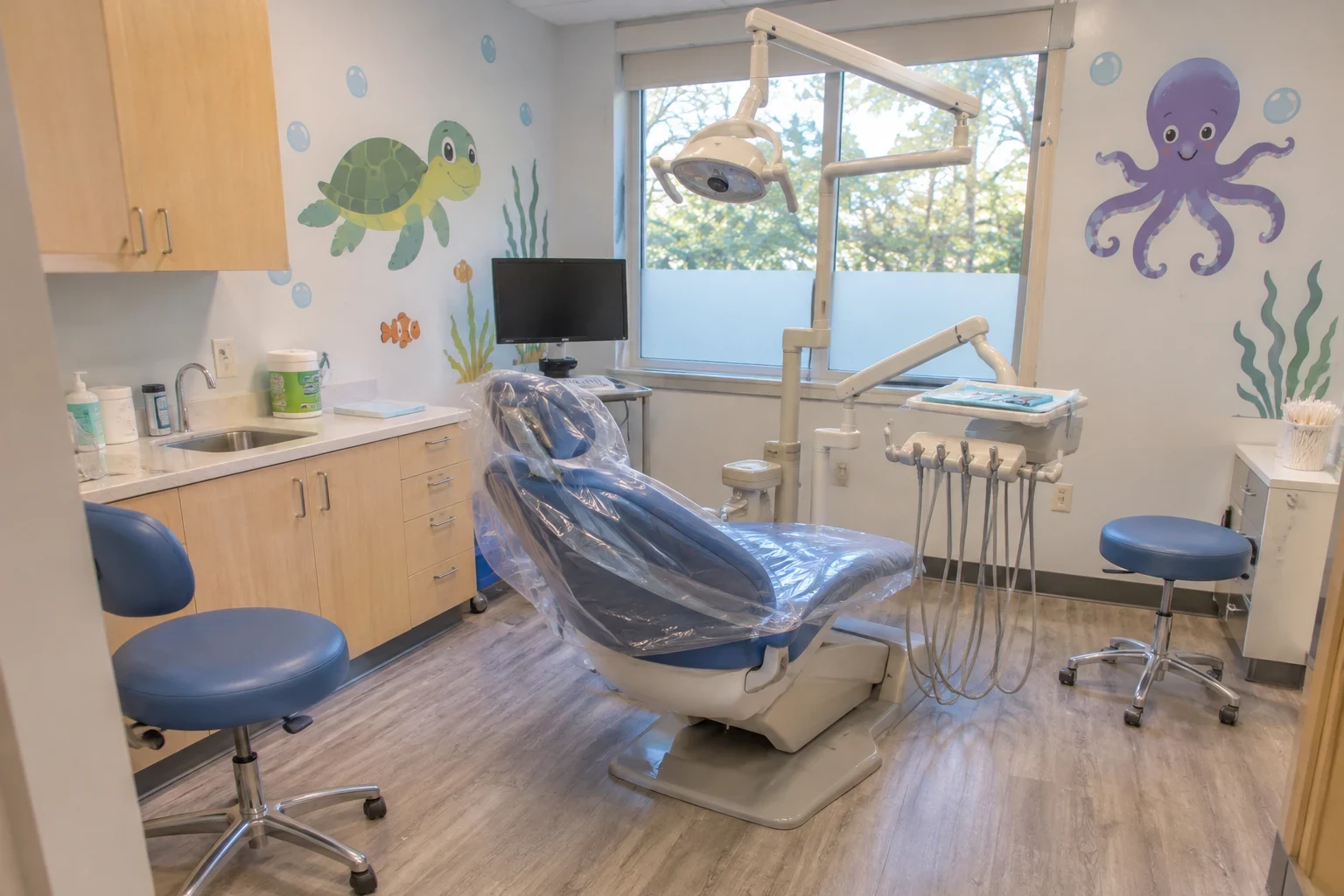
Let's take a closer look at that tooth
Give us a call to set up an appointment, or to register as a new patient if this is your child's first visit with us. We'll look carefully and tell you honestly whether the tooth needs to come out.