ServicesSedation Dentistry
Sedation Dentistry in Stoughton
Some kids are too nervous, too young or need too much work to sit through a regular visit. Sedation helps your child stay calm and still, so we can do careful, lasting work and you can stop dreading the dentist.
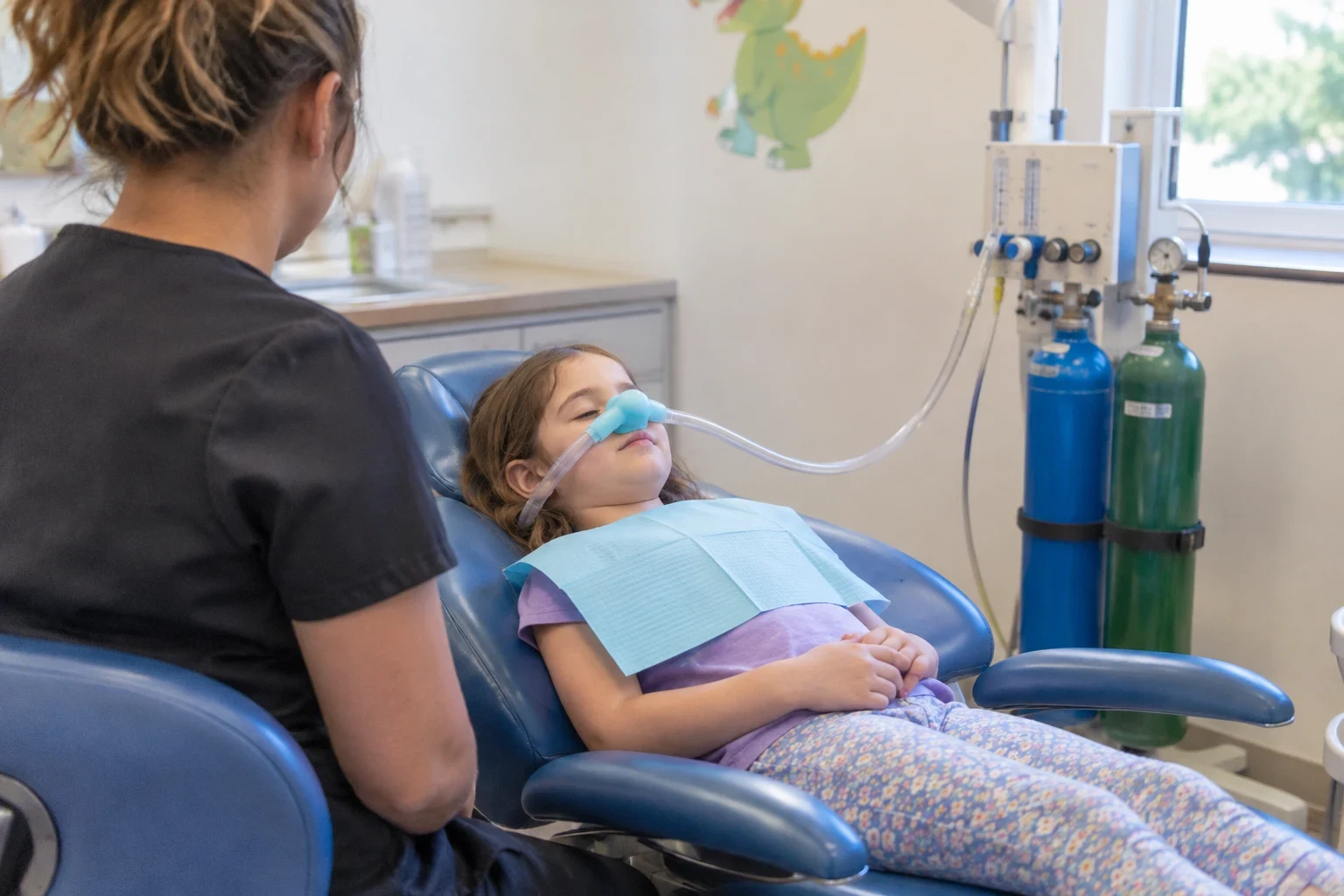
When sedation is the right call
Sedation dentistry uses medication to help a child relax during treatment. It is not the first thing we reach for. Many kids do fine with a gentle approach, a clear explanation and a little patience. Sedation makes sense when fear, age, a strong gag reflex or the amount of work needed would make a normal visit hard on your child.
It also matters for the quality of the work. A filling or crown lasts longer when the tooth stays dry and the child stays still while we shape and seal it. A calm, settled patient gives us the time to get those small details right instead of rushing to finish before tears start.
Before we recommend anything, we look at your child's health history, the treatment plan and how past visits have gone. Then we tell you plainly whether sedation is worth it and which level fits.
What a sedation visit includes
- A health review first
- We go over medical history, medications, allergies, recent colds and breathing issues like snoring or enlarged tonsils. These details shape what is safe for your child.
- A clear recommendation
- We explain the level of sedation we suggest, why we suggest it and what your child will likely feel. You get room to ask questions before anything is scheduled.
- Written prep instructions
- You leave with simple steps for the day before and the morning of, including when your child needs to stop eating and drinking.
- Monitoring during treatment
- Your child's breathing, oxygen level and heart rate are watched throughout the visit. We do not start work until your child is settled and comfortable.
- Finishing work in one sitting
- When it makes sense, we combine treatment such as fillings or pediatric crowns into one visit so your child goes through sedation fewer times.
- Recovery and going home
- Your child rests with us until they are alert enough to leave, and you get aftercare guidance for the rest of the day.
Signs your child may need sedation
Fear that stops the visit
If past visits ended in panic, or your child cannot sit in the chair long enough for an exam, sedation can break that cycle.
A lot of work at once
Several cavities or a mix of fillings and crowns can mean long appointments. Sedation lets us finish more in one calm sitting.
Very young age
Toddlers often cannot hold still or understand what is happening. For needed treatment, sedation keeps them safe and still.
Strong gag reflex or sensory needs
Some kids react strongly to tastes, sounds or the feel of instruments in the mouth. Sedation can make treatment manageable.
Pain they cannot describe
A child who is hurting and cannot cooperate may need sedation to have a tooth treated or removed properly.
How the day goes
- 1
Phone call and consult
You reach us by phone to set up an appointment. At the consult we review health history, examine your child and talk through the plan.
- 2
Getting ready at home
Follow the fasting instructions closely, dress your child in loose, comfortable clothes and bring a favorite blanket or toy. Plan for a quiet rest of the day.
- 3
Settling in
We greet your child, give the sedation and wait until they are relaxed. Monitoring stays on from this point until treatment is done.
- 4
Careful treatment
With your child calm, we take the time each step needs: keeping teeth dry, placing materials properly and checking the bite before we finish.
- 5
Waking up and heading out
Your child rests until alert. We go over what you might notice, such as sleepiness or a numb lip, and what to feed them later.
What affects the cost of sedation
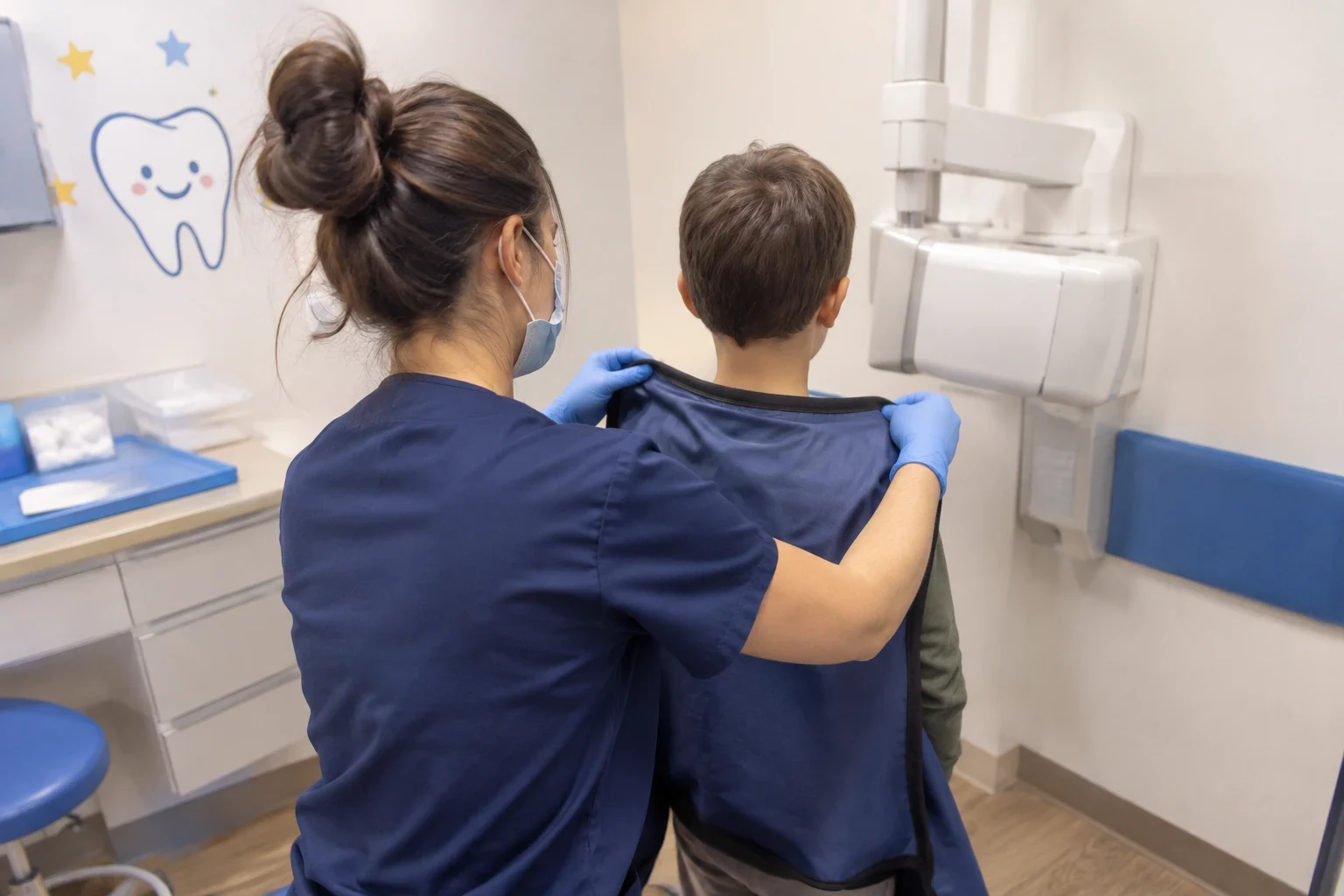
The cost depends on the level of sedation and how long your child needs it, plus the treatment done during the visit. We walk you through the plan before the appointment so you know what to expect. We accept MasterCard, Visa, Discover, most insurance plans and CareCredit Patient Payment Plan.
- Level of sedation
- Lighter sedation and deeper sedation involve different medications, monitoring and time, so they are priced differently.
- Length of the visit
- More treatment means more time under sedation. Combining work into one visit can reduce how often sedation is needed.
- The dental work itself
- Fillings, crowns, extractions or root canals done during the visit are part of the total.
- Your insurance plan
- Coverage for sedation varies between plans. We can help you understand what your plan lists before treatment.
Questions parents ask about sedation
Something not covered here? (781) 590-3367
Is sedation safe for my child?
Every medical decision has some risk, which is why we start with a full health review and only recommend sedation when it truly helps. Your child is monitored throughout the visit. If anything in the health history raises a concern, we tell you and adjust the plan.
Will my child remember the visit?
It depends on the level of sedation. With lighter sedation, kids are awake but relaxed and may remember bits of it. With deeper levels, many remember very little.
Why can't my child eat before the appointment?
An empty stomach lowers the risk of vomiting and breathing problems during sedation. Please follow the timing we give you exactly. If your child eats by mistake, let us know, since we may need to reschedule.
How will my child feel afterward?
Most kids are sleepy and a little wobbly for a few hours. Plan on a quiet afternoon with soft foods and an adult nearby. Normal energy usually returns by the next day.
Can I stay with my child?
We talk through this at the consult. Many parents stay while their child settles in and are there when they wake up, and we will explain how the treatment part of the visit works.
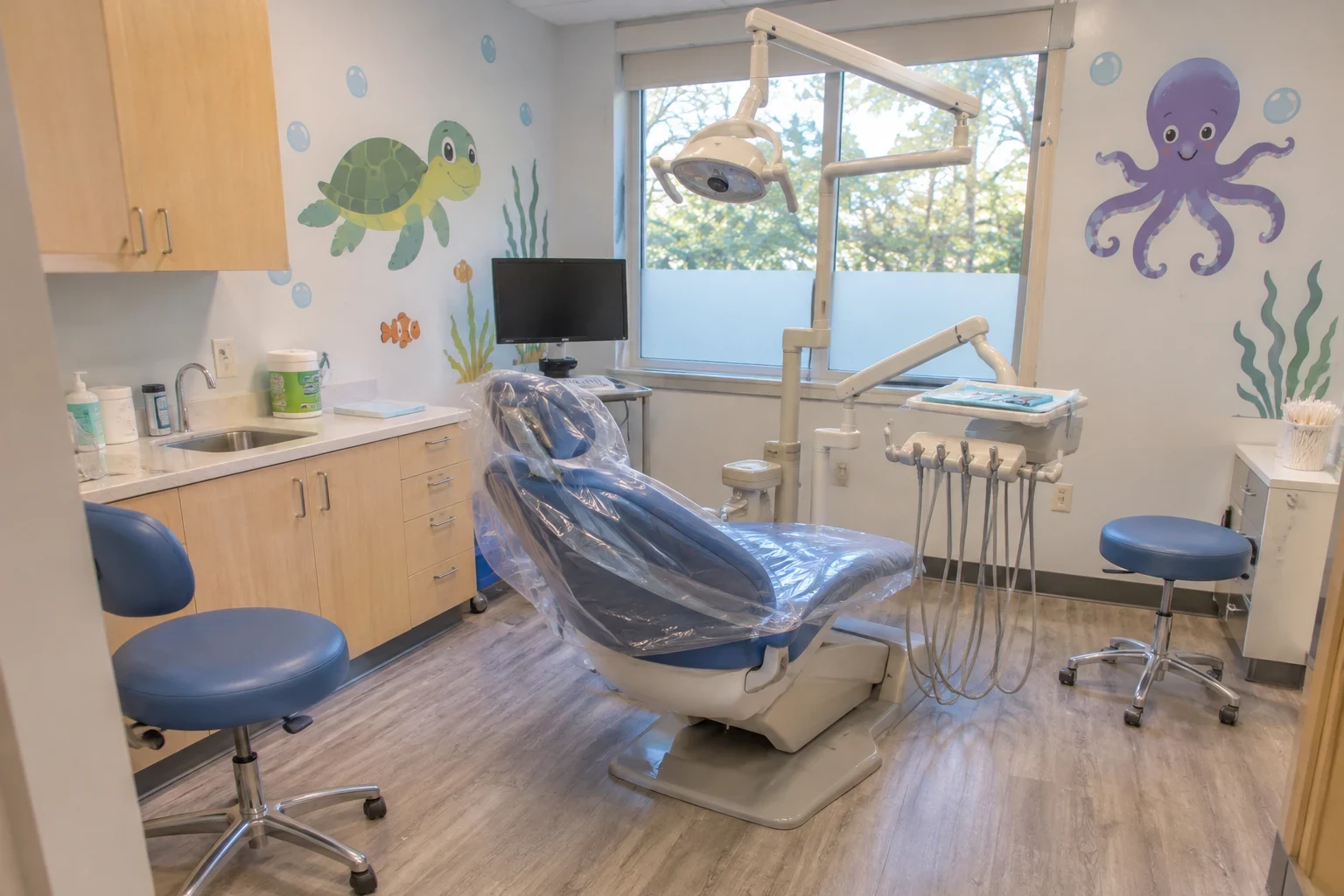
Talk with us about a calmer visit
If dental visits have been a struggle, we can look at whether sedation makes sense for your child. Families come to us from Stoughton, Canton, Sharon and nearby towns.