ServicesRoot Canals
Root Canals for Kids in Stoughton
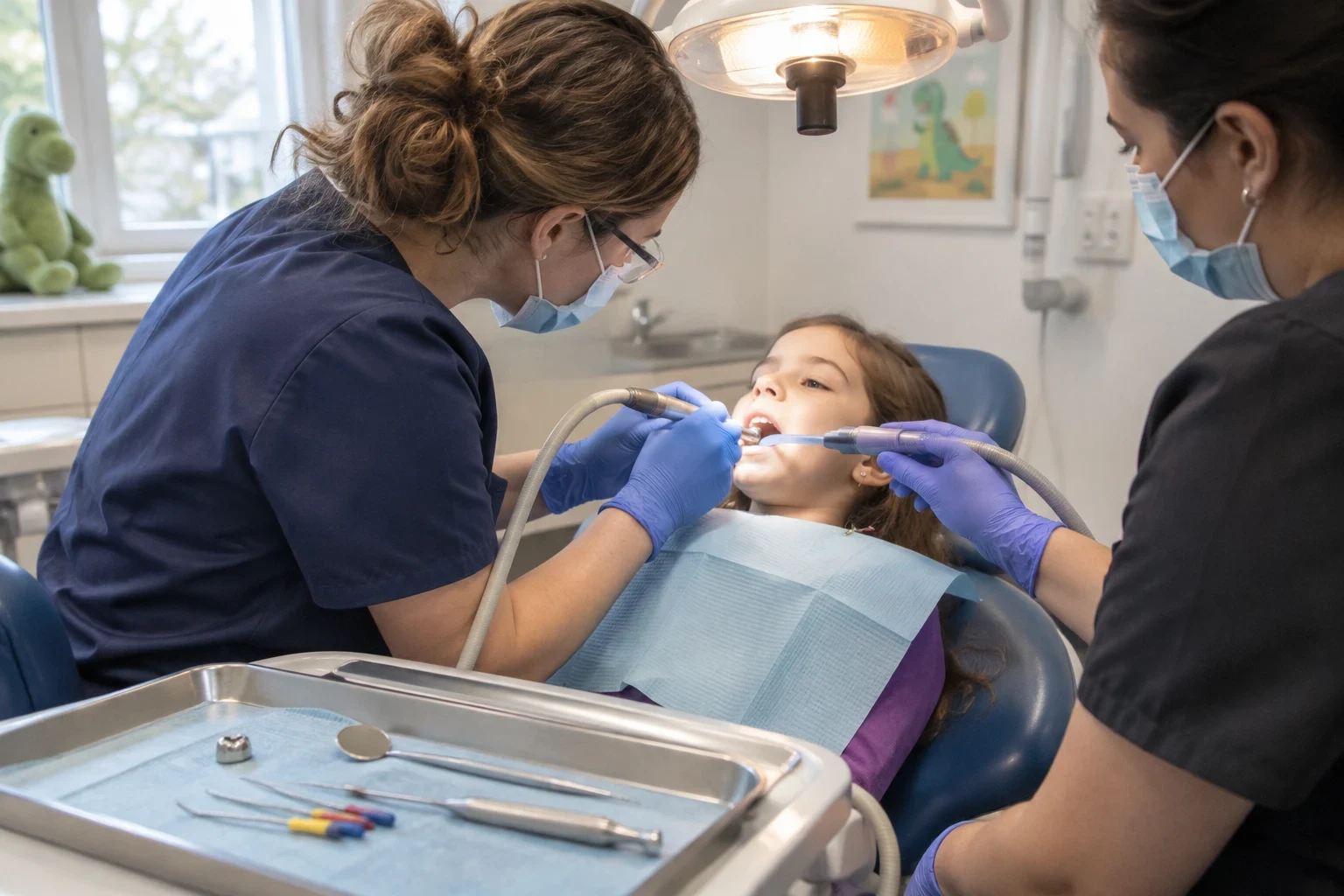
When a cavity reaches the soft center of a tooth, we can often save it instead of pulling it. We treat baby teeth and permanent teeth gently, seal them carefully and protect them so your child can chew and smile comfortably again.
Saving a tooth from the inside
Every tooth has a soft core called the pulp, with nerves and blood vessels inside. Deep decay or a hard knock can inflame or infect it. In kids, the most common fix is a pulpotomy, where we remove only the damaged pulp in the crown of a baby tooth and leave the healthy roots alone. When the infection goes deeper, a pulpectomy or a full root canal cleans out the canals too.
Parents often ask why we would treat a baby tooth that will fall out anyway. Baby molars hold space for adult teeth until around age 10 to 12, and losing one early can let neighbors drift and crowd the teeth coming in. Keeping it healthy is usually simpler for your child than managing the gap.
The part that decides how long this work lasts is the seal. A treated tooth that leaks bacteria back in will fail, so we spend our time on clean isolation, a well-placed medicated filling and a snug crown on top.
What the treatment includes
- 01
A clear look first
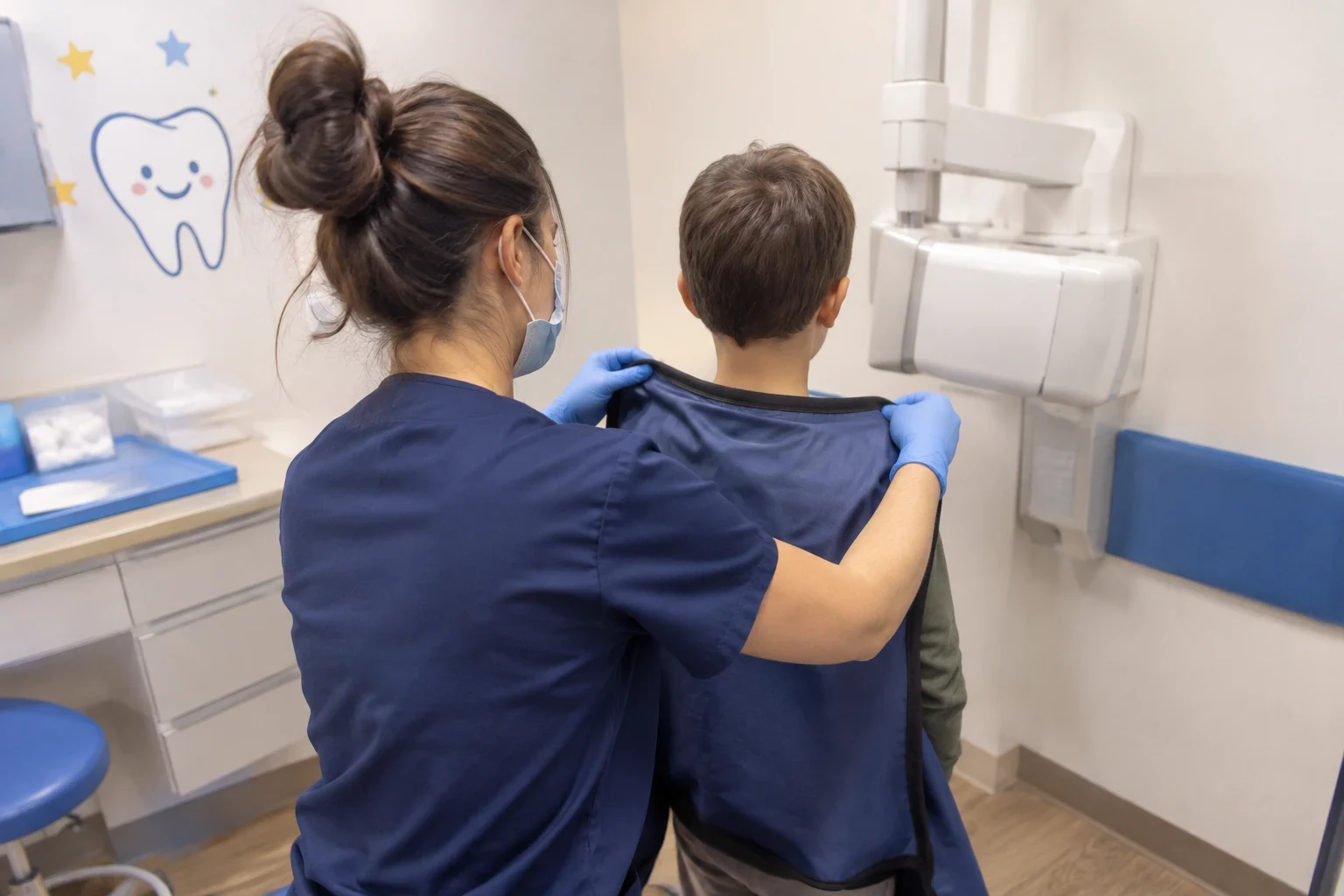
We examine the tooth and take X-rays to see how far the decay or infection has gone. That tells us whether a pulpotomy, a pulpectomy or a full root canal is the right call, or whether a simple filling will do.
- 02
Gentle numbing
We use a topical gel before the local anesthetic and take it slowly. Kids are told what they will feel in words that fit their age.
- 03
A dry, isolated tooth
A small rubber shield keeps saliva away from the tooth while we work. It sounds like a minor step, but a dry field is what lets the medicated filling bond and seal properly.
- 04
Medicated filling of the pulp area
After removing the damaged tissue, we fill the space with a material suited to the tooth. Baby teeth get a filling that dissolves along with the roots as the adult tooth comes in.
- 05
A protective crown
Most treated back teeth get a crown to keep them from cracking. Our Pediatric Crowns page explains the options.
Questions about Root Canals?
Call(781) 590-3367Signs your child may need pulp treatment
Pain that wakes them up
A toothache at night, or one that throbs without being touched, often means the nerve is inflamed.
Lingering sensitivity
A quick zing from cold is common. Pain that hangs on after the drink is gone is worth a look.
A bump on the gums
A small pimple-like bump near a tooth can be a sign of infection draining from the root.
Swelling in the face or gums
Puffiness around a tooth needs prompt attention. Give us a ring and we will help you set up a visit.
A tooth turning gray
After a fall, a front tooth that darkens over weeks may have a damaged nerve inside.
A large cavity you can see
A dark hole in a back molar may already be close to the pulp, even if your child says it does not hurt.
How the visit goes
- 1
Talk it through
We show you the X-ray, explain what we found and answer your questions before anything starts. If a filling or an extraction makes more sense, we will tell you.
- 2
Get comfortable
Your child settles in, and we numb the area. For anxious kids or longer visits, we can discuss options on our Sedation Dentistry page.
- 3
Clean and seal
We remove the damaged pulp, rinse and disinfect the area, then place the medicated filling under isolation. Most pulpotomies take well under an hour.
- 4
Cap the tooth
The crown usually goes on during the same visit, so the seal is protected right away.
- 5
Check in later
We look at the tooth on X-rays at future checkups to confirm it is staying healthy.
What affects the cost
Every tooth is different, so we explain the plan and the cost before treatment begins. We accept MasterCard, Visa, Discover, most insurance plans and CareCredit Patient Payment Plan, and we are glad to walk you through what your plan may cover.
- Type of treatment
- A pulpotomy on a baby tooth is a smaller procedure than a full root canal on a permanent molar.
- Which tooth
- Back molars have more canals than front teeth, which takes more time.
- The crown
- Whether the tooth needs a crown, and which kind, adds to the total.
- Sedation
- If your child needs sedation to be comfortable, that is part of the plan and the cost.
Questions parents ask about root canals
Does a root canal hurt my child?
The tooth is numbed first, so kids usually feel pressure rather than pain. Afterward the area may be a little sore for a day or two. Children's pain relievers recommended by your pediatrician usually handle it.
Why not just pull the baby tooth?
Sometimes pulling it is the better option, and we will say so. But a baby molar holds space for the adult tooth underneath. If it comes out years early, we may need a space maintainer to keep the gap open.
How long will the treated tooth last?
When the seal is clean and a crown protects it, a treated baby tooth typically stays in place until it falls out naturally. That is why we take care with isolation and crown fit.
Can my child eat after the visit?
Wait until the numbness wears off so your child does not bite their cheek or lip. Soft foods are best for the rest of the day.
Do teens get the same treatment?
Teens with permanent teeth usually need a full root canal, since the tooth has to last a lifetime. We explain the steps and the follow-up care before we start.
Let's take a look at that tooth
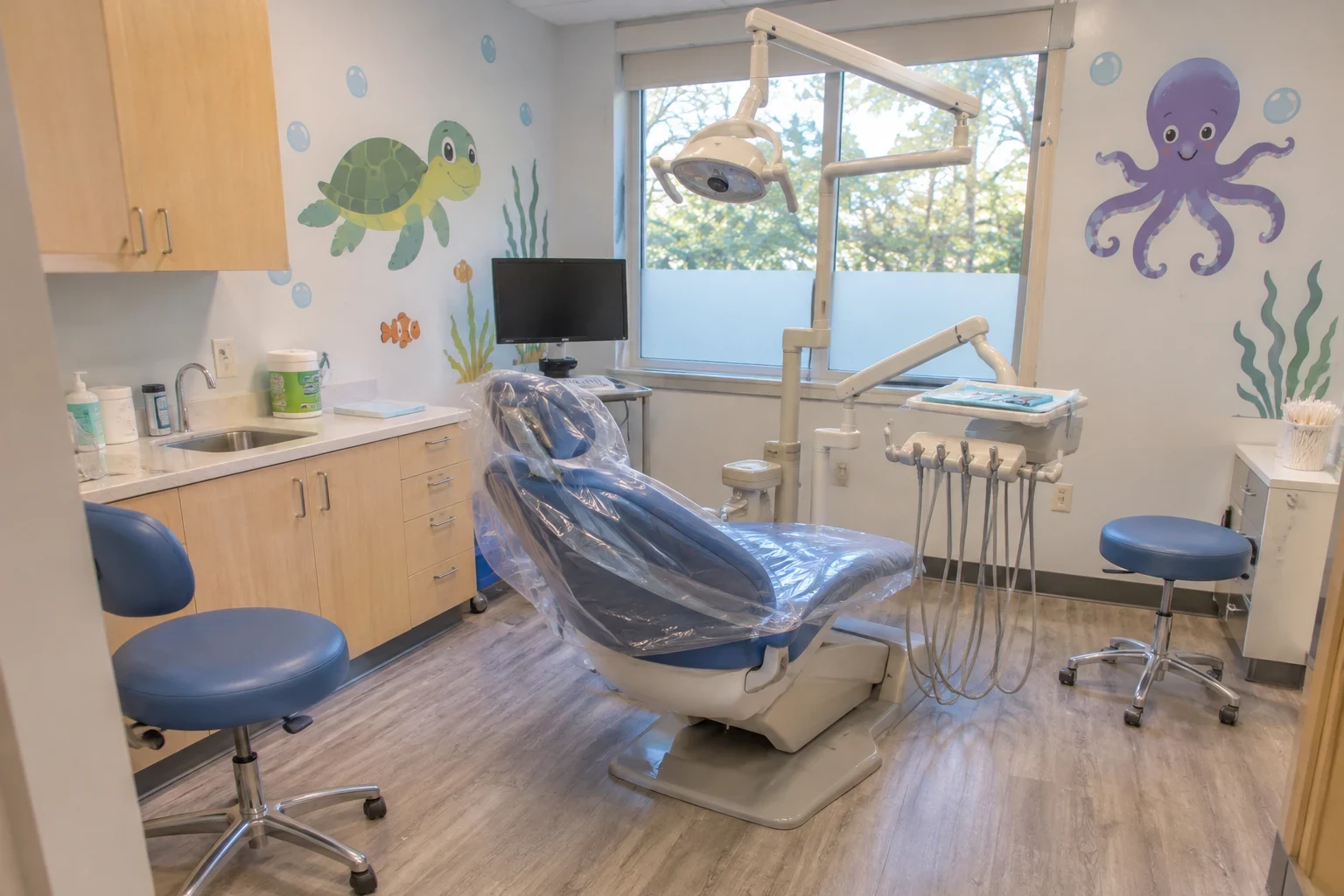
If your child has a toothache or a deep cavity, an exam tells us what the tooth needs. We see kids from Stoughton and nearby towns like Canton, Sharon and Easton.