ServicesSealants
Dental Sealants for Kids in Stoughton
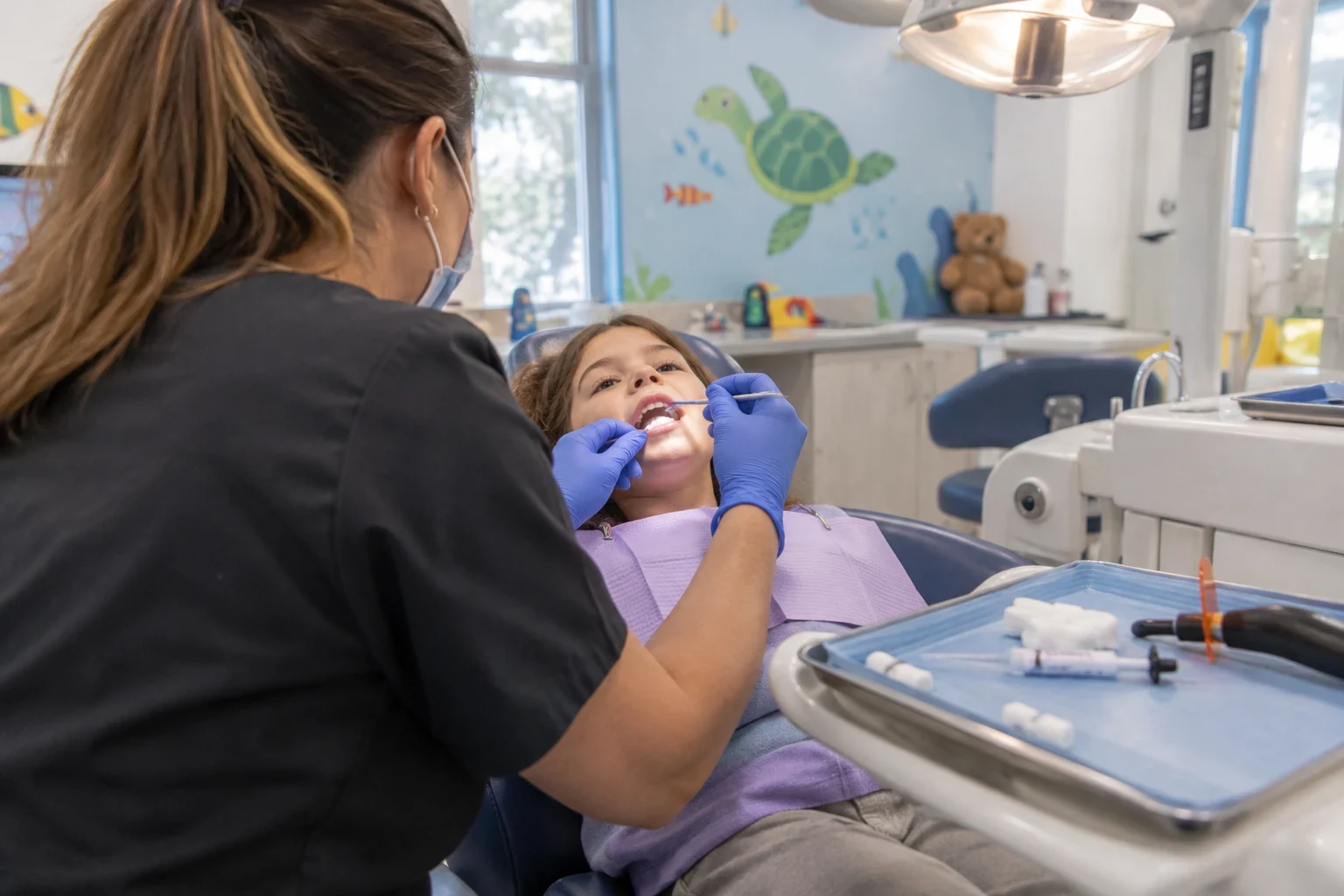
Sealants are a thin coating we paint into the deep grooves of your child's back teeth, where most cavities in kids begin. There is no drilling and no numbing. We take our time on the small steps that decide whether a sealant holds.
What Sealants Do and When They Make Sense
The chewing surfaces of molars are full of narrow pits and grooves. Many are thinner than a single toothbrush bristle, so food and bacteria settle in where brushing can't reach. A sealant fills those grooves with a smooth, hard layer, turning a hard-to-clean surface into one that brushes clean.
The usual timing is soon after the permanent molars come in: the first set around age 6 and the second set around age 12. Fresh enamel is most vulnerable in those first years. Some kids with deep grooves in their baby molars benefit too, and we'll tell you plainly if your child's teeth don't need them.
How long a sealant lasts depends almost entirely on how it was placed. A tooth that is perfectly clean and dry when the material goes on gives a sealant that holds through years of chewing. That part is where we slow down.
What Goes Into a Sealant Visit
A look at each groove first
Before sealing, we check every surface for early decay. A sealant should never trap a cavity underneath, so if we find soft spots, we talk with you about a small filling first.
Careful cleaning of the grooves
We clean plaque and debris out of the pits so the material can reach the bottom of each groove instead of bridging over the top.
Keeping the tooth dry
Saliva is the main reason sealants fall off early. We use cotton rolls, gentle suction and small cheek guards to keep the tooth dry from start to finish, and we redo a step if it gets wet.
Brushing on and curing
The sealant is painted into the grooves as a liquid, then hardened with a small blue light in a few seconds. Kids usually find this part interesting to watch.
Checking the bite and the edges
We run an instrument over every edge to make sure it is sealed tight with no gaps, then have your child bite down to confirm nothing feels high.
Signs Your Child Could Use Sealants
New back teeth just came in
Permanent molars arrive behind the baby teeth, often without anyone noticing. If your child is around 6 or 12, it's a good time to ask.
Deep, stained grooves
Dark lines in the grooves of the molars can mean food is packing in. Sometimes it is just staining and sometimes it is early decay, and we can tell the difference.
Cavities in the past
Kids who have had fillings are more likely to get new cavities. Sealing the healthy molars helps protect what's left.
Brushing the back is a struggle
Young kids often miss the back teeth, and braces or a strong gag reflex make it harder. A sealant gives those surfaces extra help.
An older sealant looks worn
Sealants can chip or wear thin over time. If we see that at a checkup, a quick touch-up restores the protection.
How the Appointment Goes
- 1
A friendly start
We explain each step to your child in simple words and show them the tools. Parents are welcome to stay close by.
- 2
Clean, then prepare
After cleaning the grooves, we apply a mild conditioning gel for a few seconds and rinse it off. This roughens the enamel on a microscopic level so the sealant can grip.
- 3
Seal one tooth at a time
We dry the tooth, paint the sealant into the grooves and harden it with the light. Each tooth takes only a few minutes, and most kids sit comfortably through the whole visit.
- 4
Final check and back to the day
We check the edges and bite, and your child can eat and drink right away. At each exam and cleaning visit afterward, we look at every sealant and touch up any that need it.
What Affects the Cost of Sealants
Sealants are priced per tooth, so the total depends on how many teeth need them. We go over which teeth we recommend and why before we start, so the bill holds no surprises. We accept MasterCard, Visa, Discover, most insurance plans and CareCredit Patient Payment Plan.
- Number of teeth
- Some kids need four molars sealed, others need eight or more once the second molars arrive.
- Insurance plan rules
- Many dental plans cover sealants on permanent molars for children, but age limits and which teeth qualify vary from plan to plan. We can help you understand what your plan includes.
- Early decay found first
- If a groove already has a small cavity, that tooth may need a filling instead of, or before, a sealant.
- Combining visits
- Sealants are often placed at the same appointment as an exam and cleaning, which saves you a trip.
Sealant Questions Parents Ask
Something not covered here? (781) 590-3367
Does getting sealants hurt?
No. There is no drilling and no shot. Most kids notice only the taste of the materials and the feeling of cotton in their cheek. It is one of the easiest visits a child can have.
How long do sealants last?
A well-placed sealant can protect a tooth for several years. How long it lasts depends a lot on how dry and clean the tooth was during placement, which is why we take care with those steps. We check them at every checkup and repair small chips quickly.
Do sealants replace brushing or fluoride?
No. Sealants protect the chewing surfaces, but cavities can still start between teeth and along the gums. Daily brushing, flossing and fluoride treatment cover those areas, and sealants work best alongside them.
Can baby teeth get sealants?
Sometimes. If your child's baby molars have deep grooves or they have had cavities, sealing them can make sense, since those teeth need to last until about age 10 to 12. We'll look and give you an honest answer.
Will my child be able to feel them?
For a day or so, some kids notice a smooth new texture on their back teeth. Because we check the bite before they leave, the sealant shouldn't feel high or get in the way of chewing.
Protect Those New Molars
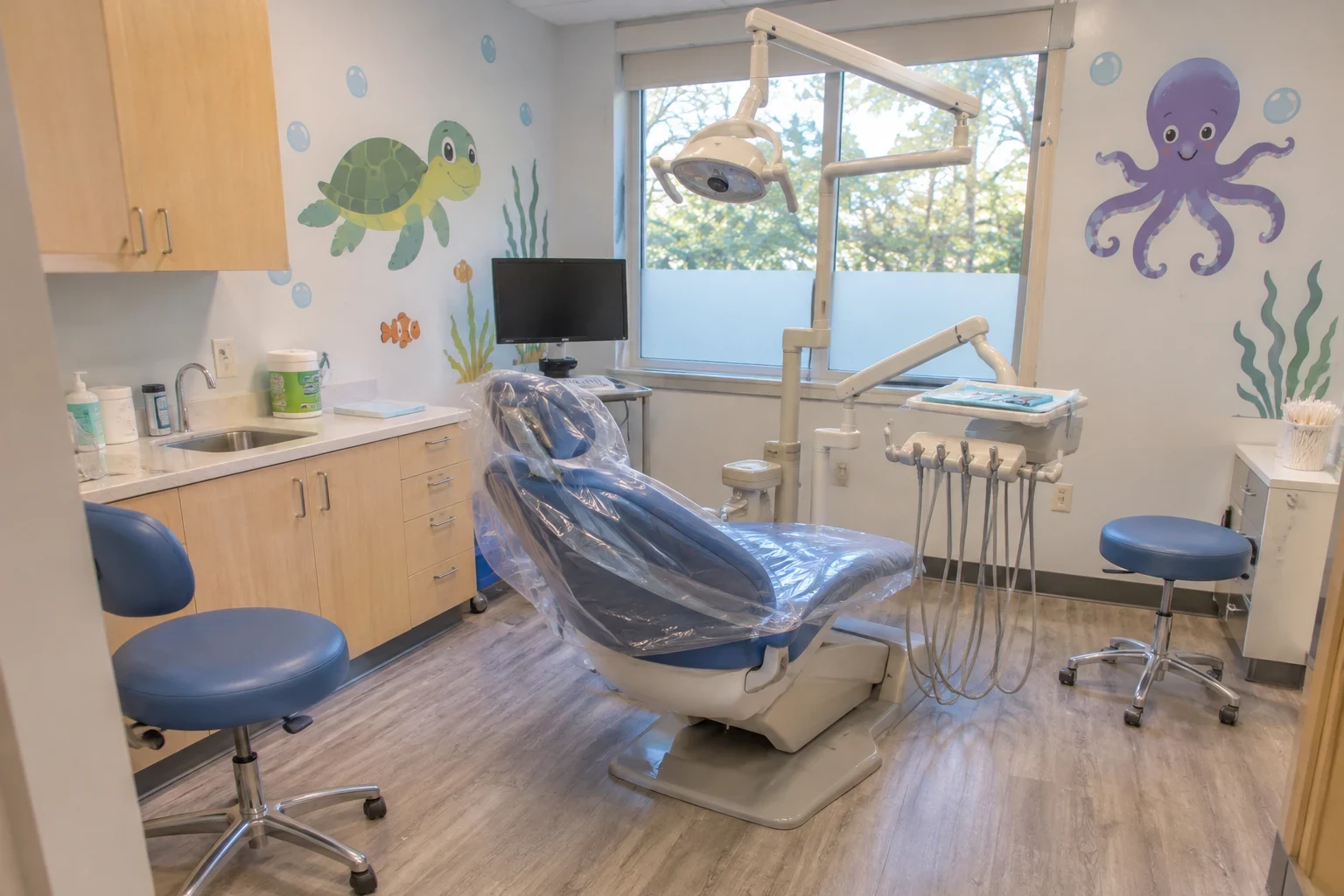
If your child's back teeth have recently come in, a sealant visit is a quick, gentle way to keep them cavity-free. Give us a call and we'll find a time that works for your family.